
Dry Needling Techniques
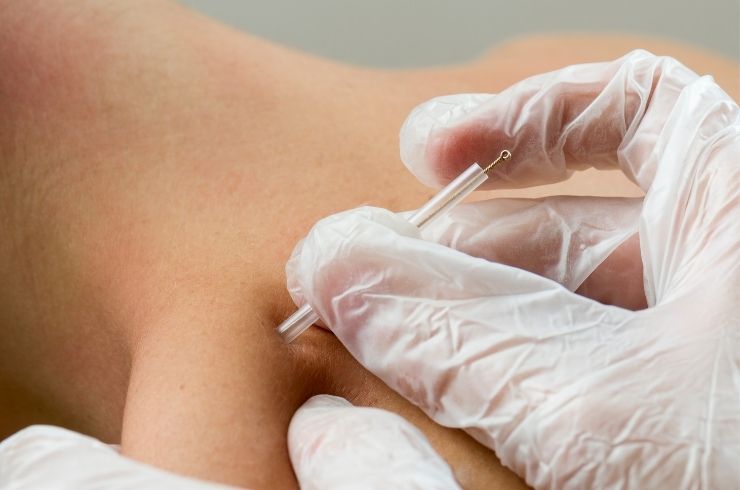
Dry Needling Techniques in Hyderabad for Muscle Pain Relief and Improved Mobility
Dry needling is a physiotherapy technique that uses fine, sterile needles inserted into specific areas of muscle tissue to help address muscle tension, trigger points, and movement-related discomfort. Dr. Sai Kiran provides individualized dry needling treatment in Hyderabad based on each patient’s symptoms, physical assessment, and rehabilitation goals. It may be combined with other physiotherapy techniques to support pain management and functional recovery.
Benefits of Dry Needling Techniques
Dry needling may be used as part of a comprehensive physiotherapy plan to manage muscle-related discomfort and support improved movement.
May help reduce muscle tension and tightness
Targets selected muscular trigger points
May help relieve certain types of musculoskeletal pain
Supports improved flexibility and range of motion
May help reduce movement-related discomfort
Complements therapeutic exercises and rehabilitation
Supports recovery from selected sports-related muscle problems
Helps address individual muscular concerns through targeted treatment
Our Approach to Dry Needling
Treatment begins with an assessment of your symptoms, medical history, muscle function, and movement limitations. Dr. Sai Kiran determines whether dry needling is appropriate for your condition and identifies the areas that may benefit from treatment. When indicated, the technique may be combined with manual therapy, stretching, strengthening exercises, and other physiotherapy interventions to support recovery and improve physical function.
Frequently Asked Questions
1. What is dry needling in physiotherapy?
Dry needling is a technique that uses fine, sterile needles to target specific muscles and trigger points. It may help manage muscle-related pain and tension as part of a broader rehabilitation plan.
2. Which conditions may benefit from dry needling?
It may be considered for selected cases of muscle tightness, trigger point pain, sports-related muscle discomfort, and certain musculoskeletal conditions. Suitability depends on an individual assessment.
3. Is dry needling painful?
You may feel a brief prick, muscle twitch, or temporary discomfort during treatment. The experience varies between individuals, and the procedure should be performed by a suitably trained practitioner using appropriate safety precautions.
4. How many dry needling sessions are required?
The number of sessions depends on your symptoms, condition, response to treatment, and rehabilitation goals. Your physiotherapist can recommend an appropriate treatment plan following an assessment.