What Is a Stroke?
A stroke happens when blood flow to part of the brain stops. This can damage brain cells. As a result, people may have trouble moving or speaking. According to the World Health Organization, stroke is a leading cause of disability worldwide. Early care and stroke physiotherapy can help people regain lost skills.
Common Movement and Balance Problems After Stroke
After a stroke, many people notice changes in how their body moves. For example, one side of the body may feel weak or stiff. Balance problems are also common. Because of this, walking or standing can become hard. Some people may also have trouble with coordination or muscle control. These issues can make daily tasks, like dressing or bathing, more difficult. However, stroke rehabilitation can help address these problems.
How Physiotherapy Supports Stroke Recovery
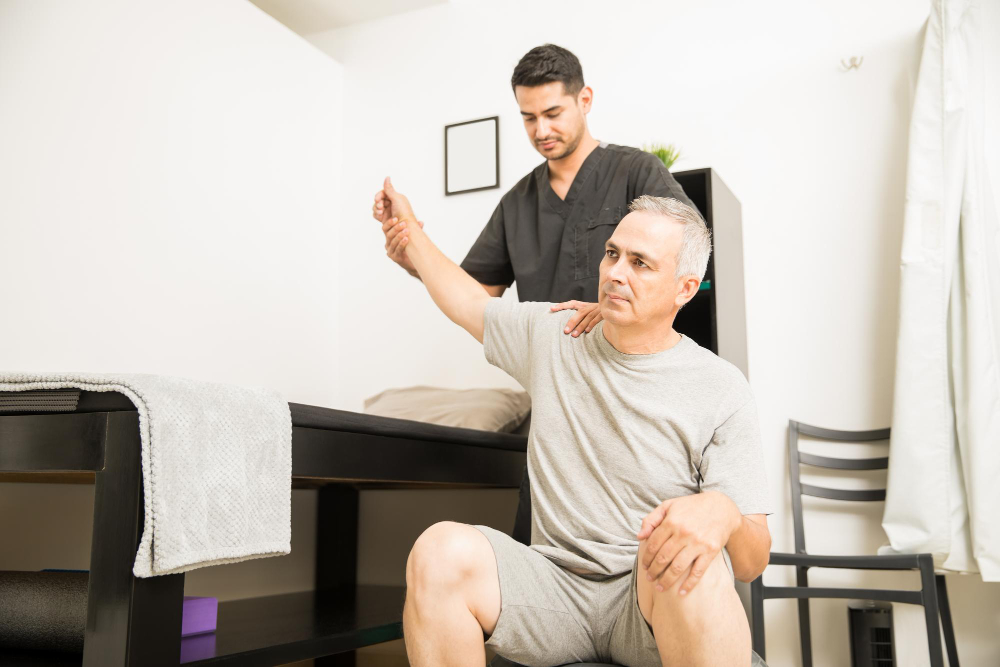
Physiotherapy is a key part of stroke recovery. It helps people improve their movement and balance. With regular sessions, patients can relearn how to move safely. In addition, physiotherapists create a plan that fits each person’s needs. This plan may include exercises, stretches, and balance training after stroke. Over time, these steps can help people become more independent. According to the CDC, early and ongoing therapy improves recovery chances.
Key Physiotherapy Techniques for Improving Movement and Balance
Physiotherapists use many methods to help stroke patients. Some common techniques include:
Because every stroke is different, physiotherapy exercises for stroke patients are tailored to their needs. For example, some people may need more help with balance, while others focus on arm strength.
What to Expect During Physiotherapy Sessions
During your first visit, the physiotherapist will assess your movement and balance. Next, they will set goals with you. Each session may include warm-up stretches, balance training, and strength exercises. Therapists often use gentle encouragement to help you try new tasks. Over time, you may notice small improvements. Sessions usually last 30 to 60 minutes. Some clinics offer group classes, while others provide one-on-one care. You may also learn exercises to do at home. If you need help finding care, search for physiotherapy clinics near you.
Tips for Supporting Recovery at Home
Recovery continues outside the clinic. Because of this, it is important to stay active at home. Here are some stroke recovery tips:
In addition, staying positive and patient helps you stay motivated. If you have questions, talk to your healthcare team.
Preventing Further Complications After Stroke
After a stroke, it is important to prevent more health problems. For example, regular movement keeps muscles strong and joints flexible. Eating healthy foods and taking medicines as prescribed can lower your risk of another stroke. Because falls are more likely after a stroke, use balance training after stroke to stay safe. If you notice new symptoms, contact your doctor right away. Finally, keep all follow-up appointments to track your progress and adjust your care plan as needed.
Conclusion
If you or a loved one is recovering from a stroke, Dr. Sai Kiran Goud is here to help. Book a consultation today to learn how physiotherapy can support your movement and balance goals.