
What Are Sports Injuries?
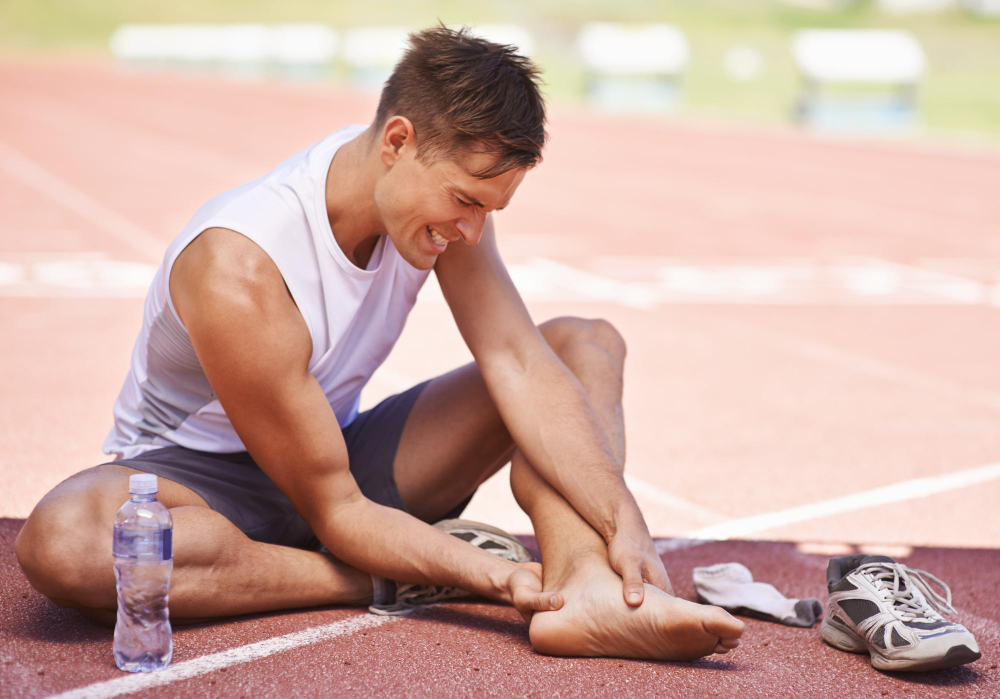
Sports injuries are physical problems that happen during exercise or while playing sports. These injuries can affect anyone, from beginners to professional athletes. Because sports injuries can lead to long-term problems, it is important to know how to spot and treat them early. In many cases, quick care helps athletes recover faster and return to their favorite activities.
Common Sports Injuries Athletes Should Not Ignore
Many athletes experience injuries that need attention. While some injuries seem minor, ignoring them can make things worse. For example, a simple sprain may become a bigger problem if left untreated. Here are the most common sports injuries:
Although some injuries may seem mild, it is best to seek help if pain or swelling does not go away.
Symptoms and Warning Signs
Recognizing symptoms early can prevent further harm. For instance, pain that gets worse with movement may signal a serious injury. Here are some warning signs athletes should watch for:
If any of these symptoms appear, it is wise to stop activity and seek medical advice. Early care often leads to better recovery.
Causes and Risk Factors
Sports injuries can happen for many reasons. Sometimes, poor technique or lack of warm-up increases the risk. In addition, using the wrong equipment or playing on unsafe surfaces can lead to problems. Common risk factors include:
Because some risk factors can be controlled, athletes should pay attention to their training routines and equipment choices.
How Are Sports Injuries Diagnosed?
Physiotherapists and rehabilitation specialists use several methods to diagnose sports injuries. First, they ask about how the injury happened and check for pain or swelling. Next, they may test movement and strength. In some cases, they use imaging tools, such as X-rays or MRI scans, to see inside the body. These steps help find the exact problem and guide the best treatment plan. According to the CDC, early diagnosis can help prevent long-term damage.
Evidence-Based Treatment Options
Treatment for sports injuries depends on the type and severity. For mild injuries, rest, ice, compression, and elevation (RICE) often help. However, more serious injuries may need medical care or surgery. Physiotherapy is a key part of recovery for many athletes. For example, a physiotherapist may teach gentle exercises to restore movement and strength. Other evidence-based treatments include:
Because every injury is different, treatment plans are tailored to each person. The World Health Organization recommends following professional advice for safe recovery.
Prevention Strategies and Safe Return-to-Sport Guidelines
Preventing sports injuries is possible with the right steps. For instance, warming up before activity prepares muscles and joints. In addition, using proper gear and following rules helps reduce risks. Here are some prevention tips:
When returning to sport after an injury, it is important to follow a step-by-step plan. Start with light activity, then slowly increase intensity. Always check with a healthcare provider before returning to full play. This approach lowers the chance of re-injury.
Lifestyle and Self-Care Tips for Athletes
Staying healthy as an athlete involves more than just training. For example, eating a balanced diet supports muscle repair and energy. Good sleep helps the body heal and recover. Other helpful self-care tips include:
Because prevention is key, athletes should make self-care part of their daily routine. This way, they can enjoy sports safely and stay active for years to come.